Composition & variation
Review chemicals, representative analysis, concentrated streams and daily changes. A COD figure alone is not a selection basis.
APPLICATION 02 / INDUSTRIAL WASTEWATER
Equipment and engineering support for industrial wastewater projects. Start with the production stream, water analysis and treatment target.
Prepare your project brief ↗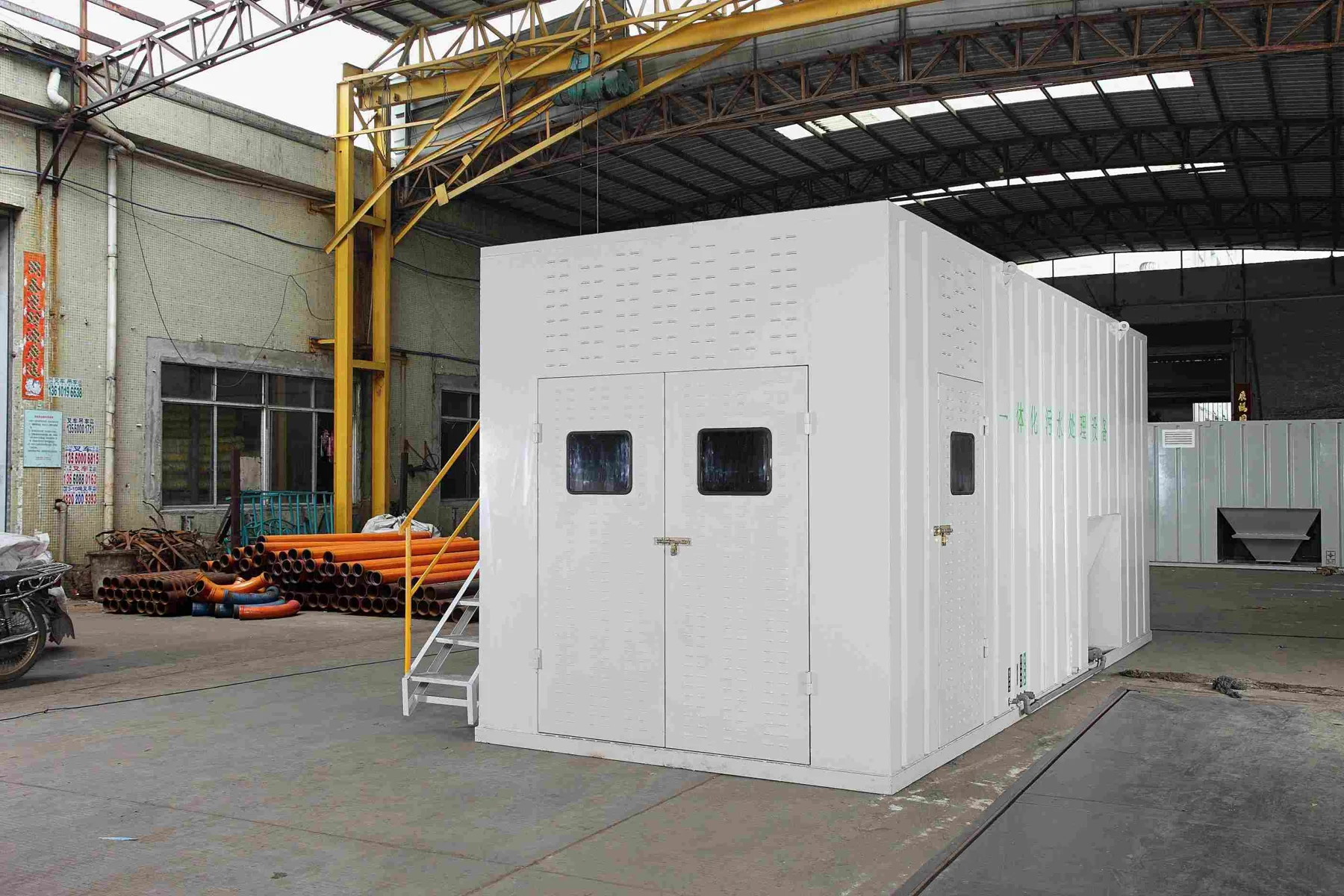 ACTUAL EQUIPMENT PHOTOGRAPH / XLWW SERIES
01 / UNDERSTAND THE SOURCE
Explore application settings supported by our company materials. Each stream requires its own review before selecting equipment.
Identify the cleaning steps and chemicals used, distinguish concentrated waste from rinse streams, and provide a representative analysis.
Map the actual production steps, chemicals and collection points. Confirm how wastewater volume and composition change across the operating schedule.
Describe the production and cleaning streams, product-related chemicals and changes between batches. Review representative water analysis before process selection.
02 / ENGINEERING QUESTIONS
We define the duty before committing to a process or equipment package.
Review chemicals, representative analysis, concentrated streams and daily changes. A COD figure alone is not a selection basis.
Confirm the actual project limits, sampling points, operating conditions and acceptance methods.
Define upstream and downstream connections, sludge or scum handling, available plot, utilities and local responsibilities.
03 / CANDIDATE TREATMENT STAGES
The company materials include the stages below. Their use, order and combination are reviewed for the wastewater; this page does not automatically select a process.
Evaluate the separation duty, conditioning or test needs, and the scum / sludge interfaces. A separation unit is not a complete discharge-compliance system.
The registered XLWW typical route includes equalization, DAF, coagulation / sedimentation, A/O biological treatment, sedimentation and filtration. Actual unit selection requires project assessment.
Concentrated waste and complex composition need separate assessment. Fenton and ozone are among the company’s process capabilities; neither is a universal configuration.
Conceptual stage relationships only. Concentrated wastewater and the C03 pharmaceutical project must not be treated as routine XLWW influent. No removal rate or effluent guarantee is implied.
04 / CONNECT THE APPLICATION TO EQUIPMENT
Supply scope, material, controls and interfaces are confirmed in the project technical proposal.
A project-specific equipment arrangement following review of the production stream and treatment target.
View typical process PDF ↗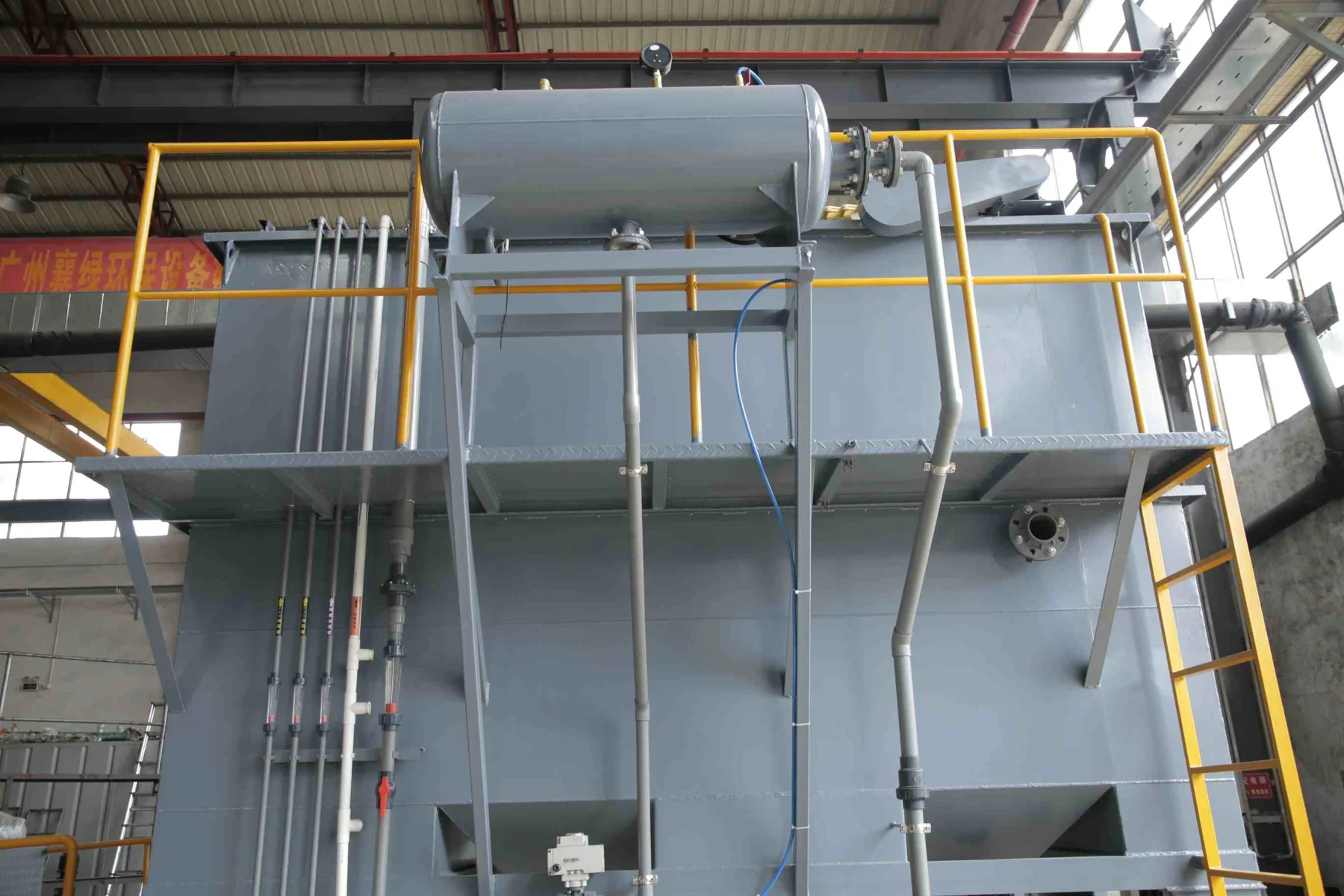
Discuss oil, suspended solids and floc separation within the agreed treatment train.
View typical process PDF ↗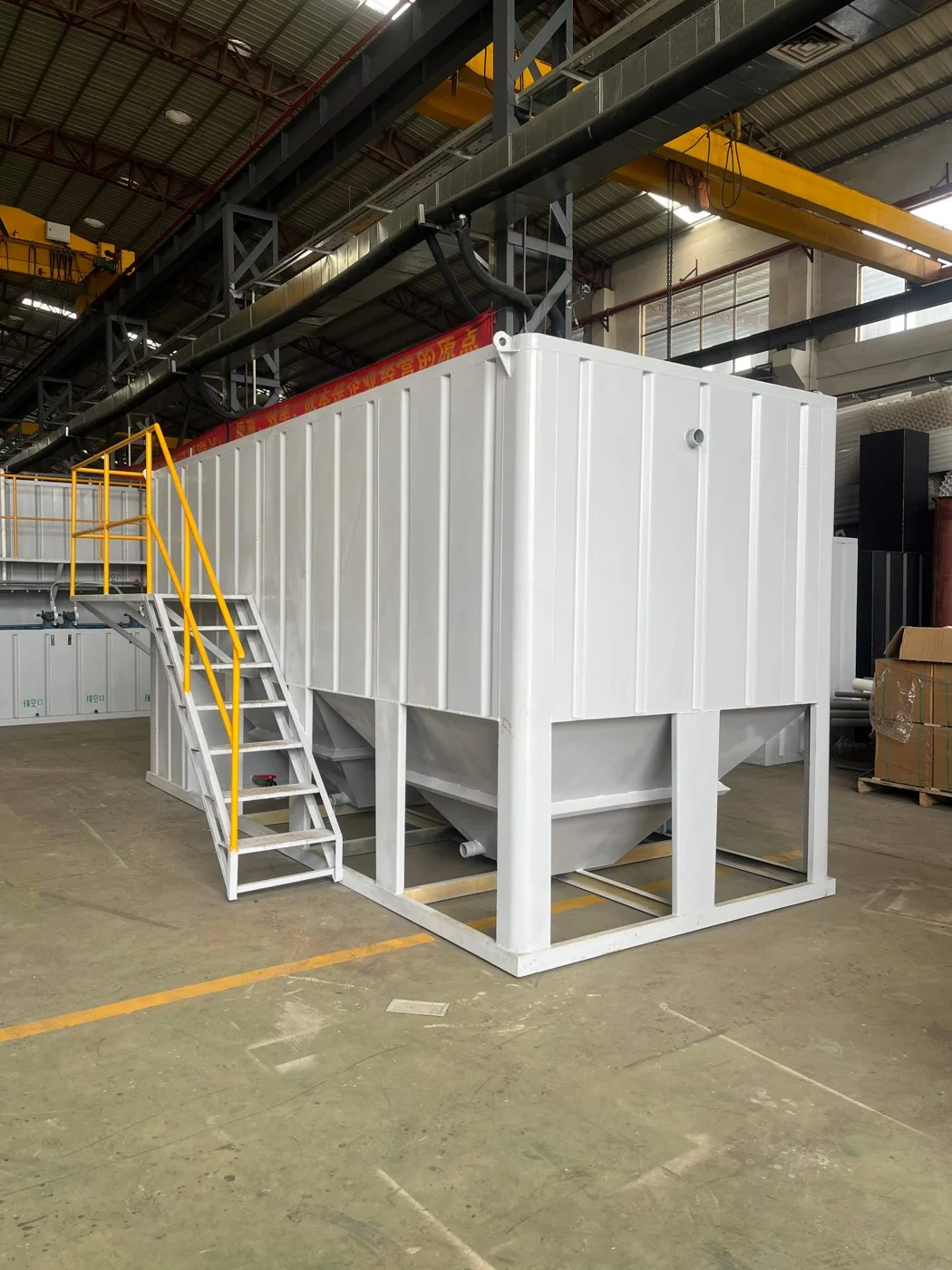
Define settling, clarification, loading and sludge withdrawal for the actual project duty.
View typical process PDF ↗05 / PROJECT-SPECIFIC REFERENCES
Anonymous text references from the company register. Each describes its own duty and evidence limits.
DAF and two-stage sedimentation are recorded for this project. The phosphorus target is a contract design requirement, not a measured operating result.
Anonymous equipment-supply referenceThe project record includes iron–carbon micro-electrolysis, Fenton oxidation, neutralization / sedimentation, UASB and biological treatment.
Project-specific route; not a standard XLWW configurationSite photographs are omitted in accordance with current permissions. Design targets are not represented as measured performance or proof of acceptance.
WORKING WITH YOUR PROJECT TEAM
For EPC contractors, local integrators and industrial project teams, the discussion covers both the equipment package and the work needed around it.
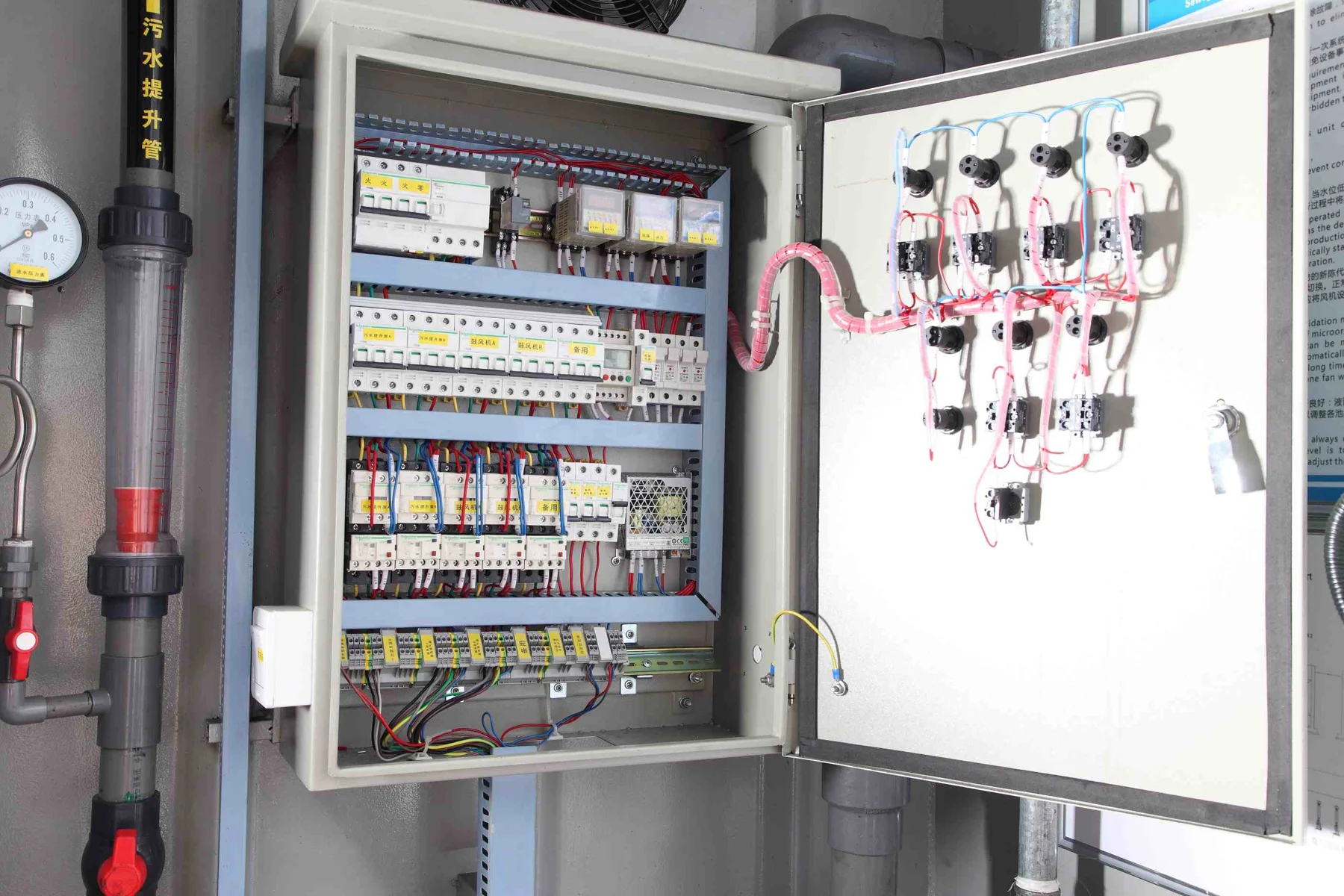
Confirm the equipment list, process diagram, material, controls, electrical interfaces and English document scope.
Agree foundations, external piping, power, lifting, residuals handling and local installation responsibilities.
On-site, video or third-party inspection can be arranged. Remote guidance, on-site support and training are scoped and costed per project.
06 / PREPARE YOUR PROJECT BRIEF
Tick the information you already have. Download a checklist to prepare the remaining items. This tool does not submit an enquiry.
QUESTIONS BEFORE SELECTION
No. Wastewater source, composition, flow variation, treatment target and interfaces must be reviewed together. Representative analysis and any necessary tests support the selection.
No. The XLWW diagram is a typical route. Unit selection and sequence depend on the actual wastewater and project conditions.
DAF or sedimentation units can be discussed as a defined equipment stage. Upstream conditioning, downstream requirements and scum / sludge interfaces must be clarified.
No. Contract design requirements and measured results are different evidence categories. Performance commitments and acceptance conditions are agreed for the individual project.
DISCUSS YOUR INDUSTRIAL WASTEWATER PROJECT
Share the information available today. We can then review the duty, identify missing design inputs and discuss the appropriate next step.
Call +86 136 1005 7417 ↗